Projects
Home / Projects
OUR PROJECTS & INITIATIVES
HUMANITARIAN ACTION
In regions affected by conflict, instability, and structural vulnerability, humanitarian action must be principled, responsible, and locally grounded. At IDF, we work alongside trusted local organizations in crisis-affected areas of the Democratic Republic of Congo, Nigeria and Cameroon and beyond, to support communities facing economic hardship, displacement, limited access to essential services, and fragile living conditions. Due to the sensitivity of these operational environments, the identities of our local partners are not publicly disclosed. However, our collaborations are based on strong community legitimacy, accountability mechanisms, and adherence to humanitarian standards.
Our interventions are aligned with the 2030 Agenda for Sustainable Development, particularly:
• SDG 1 – No Poverty
• SDG 2 – Zero Hunger
• SDG 3 – Good Health and Well-Being
• SDG 6 – Clean Water and Sanitation
• SDG 16 – Peace, Justice and Strong Institutions
Our Operational Priorities
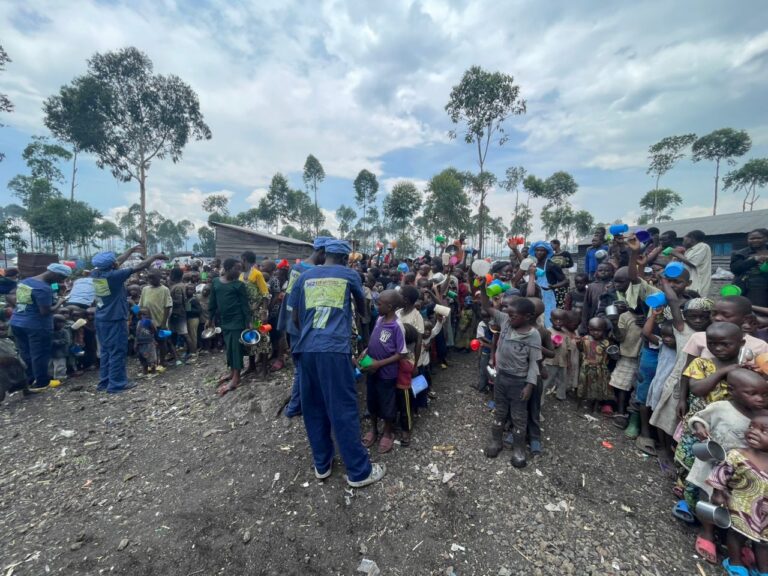
Access to Essential Services
We support initiatives that improve:
• Access to safe drinking water, including borehole and community water systems
• Basic healthcare outreach and preventive actions
• Food assistance for vulnerable households
• Hygiene and sanitation conditions in underserved communities These interventions focus on restoring dignity and stabilizing living conditions in crisis-affected areas.
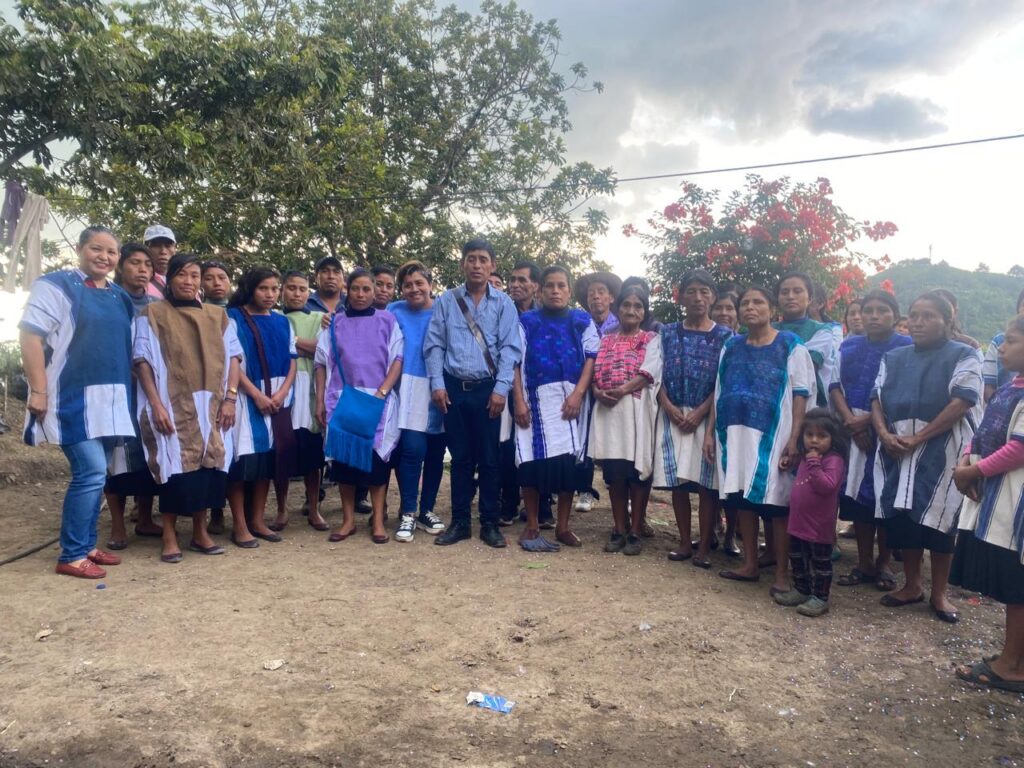
Community Resilience & Livelihood Support
Humanitarian action must go beyond immediate relief. In fragile environments, long-term recovery depends on strengthening local capacity and economic resilience. We therefore support:
• Small-scale income-generating activities
• Youth and women-focused livelihood initiatives
• Community entrepreneurship support
• Capacity strengthening for local civil society actors
Our approach prioritizes local ownership and sustainability, ensuring that communities are active participants in rebuilding their futures.
Peacebuilding & Negotiation Capacity Strengthening
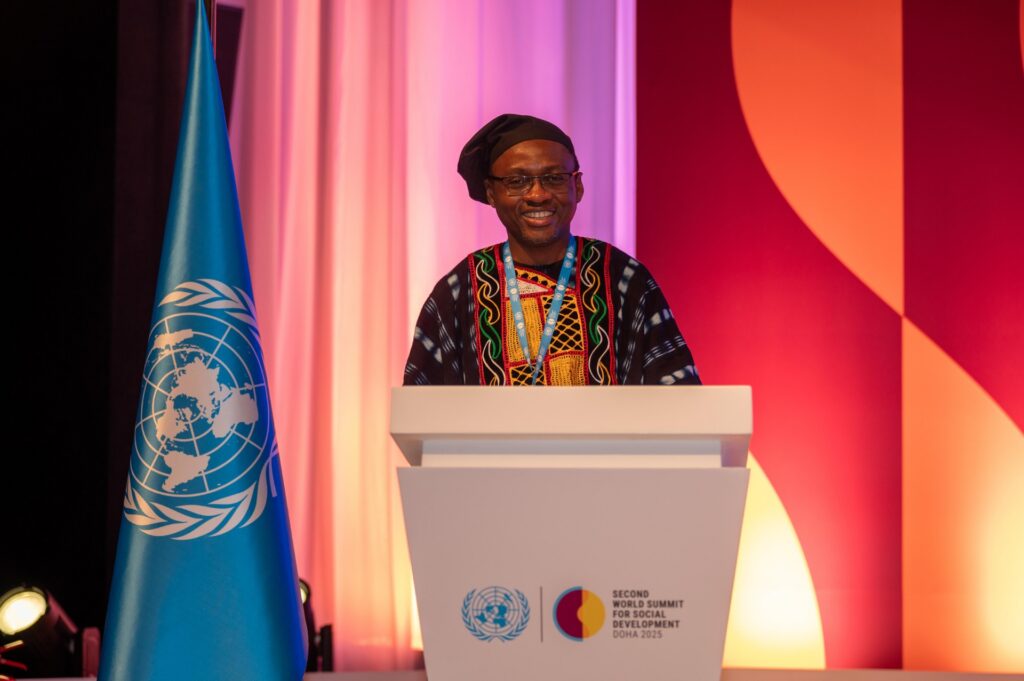
Sustainable humanitarian action requires more than emergency response, it requires the prevention of conflict and the strengthening of peaceful institutions. In partnership with Institute for Peace and Prosperity Development (IPPD) in the United States, IDF implements capacity-building initiatives focused on peacebuilding, dialogue facilitation, and negotiation skills development.
These programs are designed to:
• Strengthen conflict prevention mechanisms
• Enhance negotiation and mediation competencies
• Support community and institutional dialogue processes
• Promote non-violent dispute resolution approaches
• Reinforce leadership capacity in fragile and post-conflict environments
Through structured training workshops, academic engagement, and professional exchange, this collaboration contributes to long-term stability and institutional resilience in vulnerable regions. This partnership aligns particularly with: • SDG 16 – Peace, Justice and Strong Institutions By investing in negotiation skills and peace leadership, we aim to address root causes of instability and strengthen the foundations for sustainable development.
Operating in Sensitive Contexts
Working in fragile and conflict-affected regions requires discretion, cultural awareness, and responsible coordination. IDF contributes through:
• Strategic resource mobilization
• Project design aligned with international humanitarian principles
• Monitoring and accountability frameworks
• Capacity support for local implementation teams
We are committed to neutrality, impartiality, and ethical engagement in all humanitarian operations.
From Emergency to Stability
Our humanitarian work seeks not only to respond to immediate crises but also to create pathways toward stability and long-term resilience. In crisis regions, restoring access to basic services, economic opportunity, and community cohesion is essential to building the foundations for peace and sustainable development.